Exploring the Wonders of Lake Erie
Lake Erie is a marvel of nature and history. As one of the five Great Lakes, it holds a special place in North America. Its vast waters touch four U.S. states and the Canadian province of Ontario.
This lake is famous for its shallow depth, making it the warmest of the Great Lakes. It offers a haven for fishing, boating, and water sports enthusiasts. Yet, Lake Erie is more than just a playground for outdoor activities.
The lake has faced environmental challenges, sparking important questions like "why can't I swim in lake erie?" Despite past issues with pollution that earned it the grim label "why is lake erie called a dead lake?", recovery efforts have dramatically improved its condition. Lake Erie is also steeped in history, playing a crucial role in the War of 1812.
Its cultural significance is celebrated through local art, music, and festivals. From its islands to its shoreline, Lake Erie offers endless exploration opportunities. Join us as we delve into the wonders of this remarkable lake.
| State/Province | Major Cities | Key Features |
|---|---|---|
| Ohio | Cleveland, Toledo | Major industrial centers and commercial hubs |
| Pennsylvania | Erie | Historic port city with maritime heritage |
| New York | Buffalo | Historical significance in War of 1812 |
| Michigan | Monroe | Sandy beaches and nature reserves |
| Ontario (Canada) | Windsor, Point Pelee | Natural parks and cultural centers |
Geography, History, and Natural Beauty
Lake Erie is the fourth largest of the Great Lakes by surface area. It covers approximately 9,910 square miles, presenting a vast expanse of water. The lake's average depth is about 62 feet, making it the shallowest and warmest of the Great Lakes.
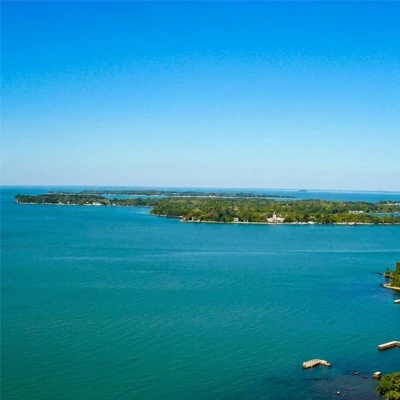
What states touch lake erie? The shores touch four U.S. states: Ohio, Pennsylvania, New York, and Michigan. Additionally, the Canadian province of Ontario borders its northern edge. This geographic diversity contributes to its rich cultural and natural landscapes.
The lake's warm waters are ideal for diverse marine life. Various fish species populate its depths, attracting fishermen worldwide. Sport fishing thrives here, thanks to the abundance of walleye, perch, and bass.
Lake Erie is also known for stunning sunrises and sunsets. The expansive horizons offer mesmerizing views, especially along the numerous sandy beaches. Visitors can enjoy these scenes from various vantage points along the lake's extensive shoreline.
The Rich History and Cultural Significance
Lake Erie's history is rich and multifaceted, deeply intertwined with human settlement and commerce. It has served as a crucial transportation route for thousands of years. Indigenous peoples, including the Erie Tribe, first inhabited its shores, relying on its resources for sustenance.
During the War of 1812, Lake Erie played a pivotal role. The Battle of Lake Erie marked a significant victory for American forces. This victory secured control over the lake and bolstered American morale.
In the 19th and early 20th centuries, the lake fueled industrial growth. Cities like Cleveland and Buffalo thrived as industrial hubs due to easy access to shipping routes. This economic boom brought diverse communities and cultural exchanges to the region.
Why is lake erie so famous? Beyond its industrial heritage, Lake Erie's fame stems from its combination of natural beauty, historical significance, and cultural impact. The lake has inspired countless artists, writers, and musicians. Its dramatic landscapes and storied past evoke creativity and contemplation.
Lake Erie's cultural heritage is celebrated through various festivals and events. These gatherings showcase the region's traditions and vibrant community spirit. They offer residents and visitors a chance to engage with local history. Today, historical sites around the lake, such as lighthouses and museums, draw visitors. These landmarks serve as reminders of Lake Erie's impactful past and offer insights into the lake's evolution and its enduring influence on the region.
Natural Beauty and Ecological Wonders
Stunning Landscapes and Scenic Features
Nature enthusiasts find sanctuary in Lake Erie's islands and reserves. Parks and nature areas provide habitat for countless bird species, including migratory birds. Birdwatchers frequently explore these hotspots, particularly during seasonal migrations.
Cedar Point and Frozen Lake Erie Photos capture the essence of natural beauty combined with human ingenuity. Cedar Point, known as the "Roller Coaster Capital of the World," offers exhilarating rides and stunning lake views. Families and thrill-seekers alike enjoy its diverse attractions. Winter transforms Lake Erie into a serene wonderland, with frozen waters creating breathtaking scenes captured in iconic photographs that showcase nature's beauty and draw photographers and nature enthusiasts every season.
Lake Erie's islands are treasures waiting to be explored. Each island offers unique landscapes and experiences. They attract countless tourists throughout the year.
Put-in-Bay, one of the most popular islands, is famous for its vibrant atmosphere. The island features historical sites, quaint shops, and a plethora of dining options. Travelers flock here for relaxation and fun. Kelleys Island appeals to nature lovers with hiking trails, beautiful beaches, and rare geological formations. The island is also home to Glacial Grooves, a must-see natural wonder.
In addition to islands, Lake Erie's shoreline brims with attractions. Parks and nature reserves dot the coast, providing spaces for picnics and outdoor adventures. Visitors can explore historic lighthouses and enjoy stunning lake views.
Lake Erie's Unique Ecosystem and Wildlife
Lake Erie teems with biodiversity, making it a fascinating natural habitat. Its shallow waters nurture a rich variety of species. This diversity supports a thriving ecological community.
Fish populations are abundant in Lake Erie. Sport fishing enthusiasts find ample opportunities to pursue perch, walleye, and bass. These species thrive due to the lake's warm waters and plentiful food sources.
The lake's shoreline is a haven for birds, especially during migration seasons. Birdwatchers flock to observe rare and common species alike. Wetlands and islands provide essential nesting and resting areas. Native plants play a vital role in sustaining Lake Erie's ecosystem. They stabilize shorelines and offer shelter to wildlife. These plants also enhance water quality by filtering pollutants.
| Species | Status | Description | Ecological Value |
|---|---|---|---|
| Yellow Perch | Stable | Popular game fish | Primary food source for predators |
| Walleye | Recovering | Valuable sport fishing species | Indicator of ecosystem health |
| Bald Eagle | Recovered | Iconic North American bird of prey | Symbol of environmental improvement |
| Lake Erie Water Snake | Recovered | Once endangered species | Biological indicator |
| Common Tern | Migratory | Graceful migratory bird | Nests on lake islands |
| Spiny Water Flea | Invasive | Unintentionally introduced species | Disrupts food chain |
Environmental Challenges and Solutions
Lake Erie has faced significant environmental challenges over time. Pollution once earned it the unfortunate title of a troubled ecosystem. However, recovery efforts have made substantial progress.
During the mid-20th century, industrial pollution was rampant. Chemical runoff and waste contributed to severe water quality issues. This led to large-scale fish die-offs and public health concerns. One major problem was the formation of algal blooms. These blooms result from excess nutrients, primarily phosphorus. Algae proliferation depletes oxygen, causing hypoxic zones.
Why can't I swim in lake erie? This question has been frequently asked due to water quality issues including algal blooms, bacterial contamination, and pollution. However, swimming is possible when conditions are favorable. Water quality is closely monitored throughout the lake by various agencies that provide regular updates on safety levels. Contaminants like algae blooms can impact these conditions significantly.
Monitoring involves water testing with regular assessments for pollutants, public alerts about unsafe conditions, temporary beach closures during high-risk periods, ongoing research into pollutant sources, and community involvement encouraging local conservation efforts.
You can generally swim when conditions are favorable. Follow local guidelines and posted signs at beaches. If in doubt, contact local authorities for updates. Consider safety gear like life vests when swimming. Pay attention to weather conditions and water currents. These precautions ensure a safe and enjoyable experience.
Recovery and Conservation Efforts
Efforts to address these challenges began in earnest with regulation of industrial waste through policies to reduce chemical runoff, nutrient management to reduce phosphorus levels in the water, public awareness campaigns educating communities on conservation practices, habitat restoration revitalizing wetlands and natural buffers, and continuous monitoring and assessment of water quality.
The lake's recovery is a success story of environmental activism. Stricter regulations and awareness campaigns improved water quality. This transformation showcases the potential for positive change.
Conservation efforts have transformed Lake Erie from a troubled past to a vibrant present. Environmental initiatives now focus on protection and sustainability. This change highlights the commitment from both local communities and international bodies. Several organizations are involved in conserving Lake Erie's ecosystem. These groups work tirelessly to monitor water quality and address pollution issues. Their ongoing efforts are crucial for maintaining the lake's health.
Looking forward, the future of Lake Erie depends on continued dedication to these efforts. Collaboration across borders plays a significant role. The goal is to ensure that future generations can enjoy this natural wonder. Educating the public about Lake Erie's importance is essential for its future. Together, through knowledge and action, we can protect this vital resource.
Recreation, Sports, and Safety
Lake Erie is a hub of recreational activities that appeal to all ages. Its expansive waters are perfect for boating enthusiasts. From sailboats to yachts, the lake's open spaces provide endless opportunities for exploration.
Fishing is another popular pursuit on Lake Erie. Anglers flock here to catch walleye and perch, which thrive in its waters. The lake's abundant fish population makes it a top spot for sport fishing.
Before heading out on the water, understanding the lake erie wave report is essential. The lake erie wave report provides real-time information about wave heights, water conditions, and weather patterns. This critical safety information helps boaters and water enthusiasts make informed decisions about when and where to venture onto the lake.
Lake Erie Marine Forecast information is crucial for safe boating activities. The lake erie marine forecast provides detailed updates on wave conditions, wind patterns, and weather alerts. Boaters and water enthusiasts rely on wave reports and marine forecasts to understand current wave conditions, which is essential for safety. The lake's shallow depth can create surprising wave patterns that require careful navigation.
Local agencies provide frequent updates on marine conditions. These forecasts include wind speeds and expected wave heights. Staying informed helps you plan a safe trip on the water. Safety equipment is crucial when venturing out. Always have life jackets for everyone on board. Check the marine forecast before departure.
Key elements for safe boating on Lake Erie include understanding wave reports and current wave conditions, wind forecasts including speeds and direction, emergency gear such as life jackets and safety equipment, awareness of weather alerts and sudden weather changes, and communication devices to ensure radio or phone availability.
By staying updated with marine forecasts, you can enjoy a secure and pleasant experience on Lake Erie. Always prioritize safety, especially in unpredictable conditions.
Land-Based Recreation and Attractions
On land, the Lake Erie Crushers offer an exciting option for sports fans. This professional baseball team based in Avon, Ohio, delights spectators with thrilling games. A day at the ballpark is a fun-filled experience for families and friends.
| Recreation Type | Location | Season | Target Audience |
|---|---|---|---|
| Water Sports (Sailing, Boating) | Entire lake | May-September | Water sports enthusiasts |
| Sport Fishing (Perch, Walleye) | Entire lake | April-November | Amateur and professional anglers |
| Baseball (Lake Erie Crushers) | Avon, Ohio | May-September | Families and sports fans |
| Beach Relaxation | All shorelines | May-September | Tourists of all ages |
| Birdwatching | Islands and reserves | March-May, August-October | Ornithologists and nature lovers |
| Hiking | Kelleys Island, Put-in-Bay | May-October | Nature enthusiasts |
| Photography (including winter) | Throughout lake | December-February | Photographers and enthusiasts |
Recreation on Lake Erie combines adventure and leisure. Whether on the water or cheering from the stands, there's something for everyone. The variety of activities ensures a memorable experience each time you visit.
Folklore, Mysteries, and Academic Pursuits
Lake Erie teems with folklore and mystery. One persistent tale suggests alligators lake erie lurk in its waters. However, alligators are not native to the lake, and any sightings are likely a result of released pets or imaginative stories. The myth of alligators lake erie has captured popular imagination for generations, though wildlife experts consistently debunk these claims.
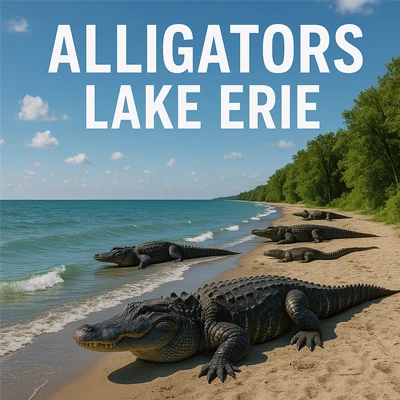
Another captivating legend involves lake erie monsters. Locals have shared stories of mysterious creatures seen swimming in the depths. These tales fuel imaginations and add intrigue to the lake's history. Beyond modern myths, Lake Erie holds cultural legends too. Indigenous tales and maritime folklore further weave a fabric of wonder. Each story enriches the lake's rich narrative tapestry.
While these myths may stem from misunderstandings or imagination, they make Lake Erie even more fascinating. They remind us of the lake's mystery and history. The combination of legendary lake erie monsters sightings and scientific discoveries continues to captivate researchers and visitors alike.
Education and Research Institutions
Education around Lake Erie is enriched by prestigious institutions. Lake Erie College stands out for its dedication to fostering academic excellence. Its diverse programs attract students eager to learn and grow.

Another key institution is the Lake Erie College of Osteopathic Medicine. It is renowned for producing skilled healthcare professionals. Their curriculum emphasizes holistic medicine, preparing students for a bright future in health services.
Students and researchers benefit from these institutions' strong focus on both education and research. Opportunities for hands-on experience and academic exploration abound. Nearby natural resources, including the lake itself, enhance their learning. The academic atmosphere in this region promotes innovation and inquiry. These institutions contribute significantly to the intellectual and professional landscape surrounding Lake Erie.
Conclusion: The Enduring Allure of Lake Erie
Lake Erie captivates with its remarkable history, diverse ecosystem, and scenic beauty. Despite past challenges, it has emerged as a thriving symbol of nature's resilience. It draws visitors with its inviting shores and vibrant culture.
The lake's ongoing recovery efforts showcase a commitment to environmental sustainability. Collaborations between nations and communities are vital for its preservation. Lake Erie remains a beacon of ecological hope and inspiration.
As we look to the future, Lake Erie continues to offer endless opportunities for exploration and learning. Its allure lies in its blend of history, nature, and recreation. Lake Erie will undoubtedly remain a cherished destination for generations to come.
Frequently Asked Questions about Lake Erie
Q: Why is lake erie so famous?
A: Its combination of historical significance (War of 1812), natural beauty, recreational opportunities, and cultural impact make it one of North America's most renowned lakes. Lake Erie's fame continues to grow as more people discover why is lake erie so famous through its remarkable attractions and rich heritage.
Q: What states touch lake erie?
A: Four U.S. states border Lake Erie: Ohio, Pennsylvania, New York, and Michigan, along with the Canadian province of Ontario. Understanding what states touch lake erie is essential for anyone planning to visit or learn about the lake's diverse regions and their unique characteristics.
Q: Why can't I swim in lake erie?
A: While swimming is generally possible in designated areas with favorable water quality, algal blooms and bacterial contamination can make certain areas unsafe. The question why can't I swim in lake erie? is important for public health awareness, as conditions vary seasonally and by location. Always check local advisories before swimming.
Q: Why is lake erie called a dead lake?
A: This outdated term stems from severe pollution in the mid-20th century, but recovery efforts have successfully restored much of the lake's health and biodiversity. The phrase why is lake erie called a dead lake? is now historical, as the lake has undergone remarkable ecological restoration and is no longer considered dead or severely polluted.
Q: What about alligators lake erie?
A: Alligators are not native to Lake Erie. Occasional reports are likely misidentifications or accounts of released pets.
Q: Are there lake erie monsters?
A: Lake monsters are part of local folklore and legend. No scientific evidence supports their existence, but they add to the lake's mysterious charm.
Q: Where can I find lake erie marine forecast information?
A: Local maritime agencies and weather services provide regular lake erie marine forecast updates for boater safety.
Q: What information does the lake erie wave report provide?
A: The lake erie wave report includes wave heights, water temperature, wind speed and direction, and weather alerts to ensure safe boating conditions.
Q: What are cedar point frozen lake erie photos like?
A: These images capture the beauty of frozen Lake Erie during winter, showcasing nature's artistry alongside the excitement of Cedar Point amusement park.
Updated 2025-12-11